
Oil prices moved sharply higher as the United States prepared to impose a blockade in the Strait of Hormuz.
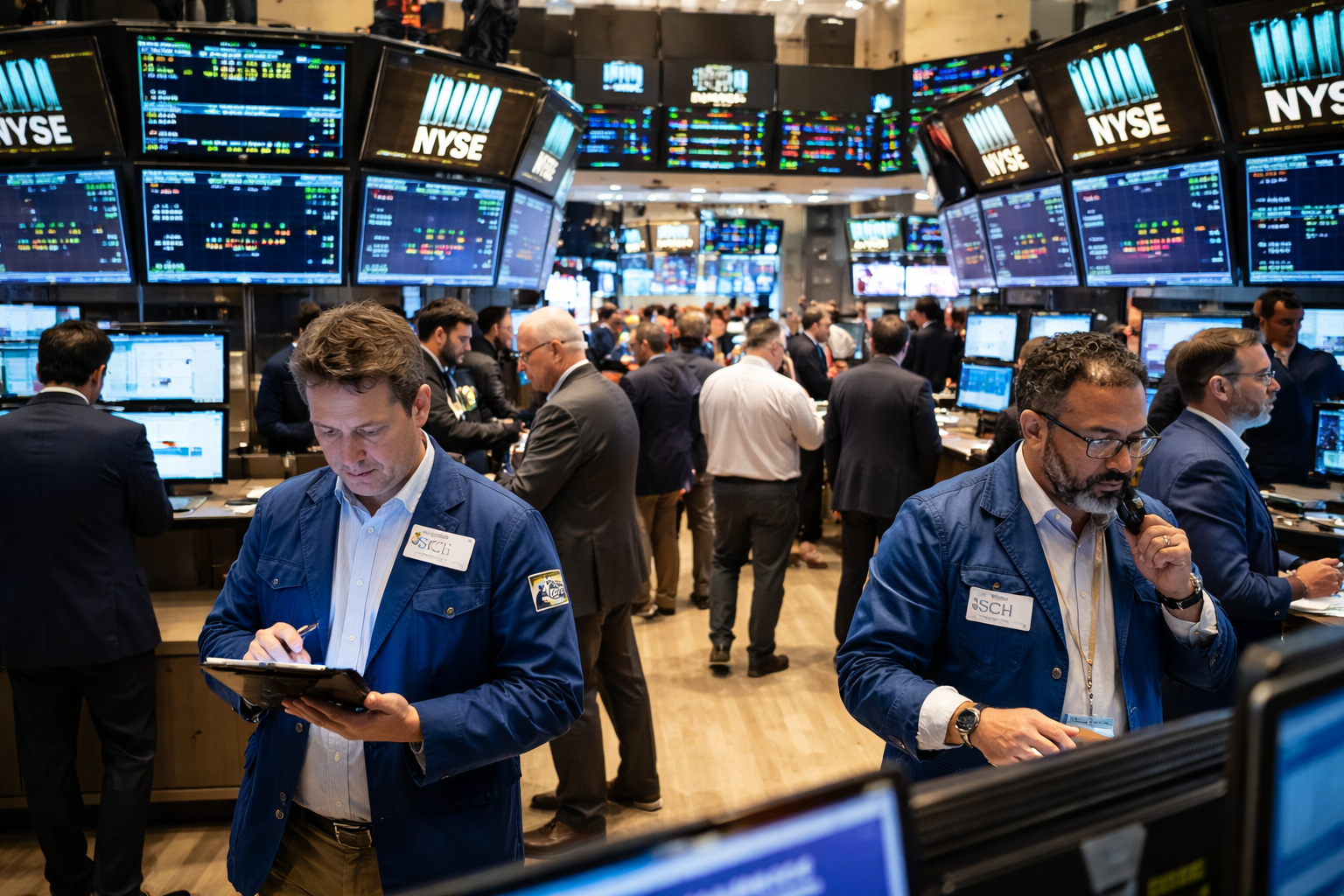
However, broader financial markets showed a surprising degree of restraint, reflecting investor expectations that the conflict may not spiral further.
US equity futures slipped only modestly, with the S&P 500 and Nasdaq 100 futures both down 0.5% at 6 am GMT-5.
Treasury yields were little changed, while Asian equities — which have borne the brunt of recent volatility — posted only mild declines.
The relatively muted reaction comes even as the collapse of US-Iran peace talks over the weekend dampened hopes for a swift resolution to the conflict and pushed energy prices higher.
Investors see negotiation tactics at play
Market participants appear to be interpreting recent geopolitical developments less as a definitive escalation and more as part of a broader negotiating strategy.
“There’s a belief that a lot of this is negotiation tactics,” Billy Leung, investment strategist at Global X ETFs, said in a CNBC report, referring to President Donald Trump’s blockade announcement.
He added that “markets have reached peak uncertainty,” suggesting that reactions to new developments are no longer as sharp as in earlier phases of the conflict.
Leung noted that investors are increasingly able to price in geopolitical risk, with recent movements indicating a more measured response.
He said the market now has “a better price and better understanding of the Trump motive.”
A similar view was echoed by Jun Bei Liu, lead portfolio manager at Ten Cap, who pointed to volatility indicators as evidence that panic may have already peaked.
In the CNBC report, she said earlier spikes in the VIX likely marked “the peak fear and sell off,” adding that from here, markets are “trying to work [themselves] out.”
Diplomatic hopes remain intact
Despite the breakdown in weekend negotiations, investors continue to see scope for renewed talks between Washington and Tehran.
A team at UBS Global Wealth Management, led by Mark Haefele, wrote in a client note that “both sides have an incentive to find a diplomatic solution.”
The assessment was based partly on remarks from Iran’s lead negotiator, who said the US was “unable in this round of talks to gain the trust of the Iranian delegation,” signalling that discussions are likely to continue.
Deutsche Bank strategist Jim Reid also struck a cautiously optimistic tone, writing that “something might still be worked out in the days ahead.”
He pointed to comments from Iran’s foreign ministry spokesman that “diplomacy never ends,” as well as Trump’s own statement that weekend talks “went well” with most issues resolved except Iran’s nuclear programme.
Fragile truce keeps worst-case fears at bay
For now, a fragile ceasefire remains in place, helping to anchor market sentiment even as tensions persist.
Charu Chanana, market strategist at Saxo Bank, said the failure of talks “does not yet signal an automatic return to the worst-case scenario.”
She noted that negotiations remain on the table and that the current truce continues to hold, although the US administration is reportedly weighing further limited military action.
This balancing act — between escalation risks and diplomatic possibilities — is shaping market behaviour, keeping volatility contained despite rising oil prices.
Political risks could drive next moves
One near-term risk lies in the domestic political timeline in the United States, which could influence the trajectory of the conflict.
Leung highlighted the implications of the war powers resolution, which limits the administration’s ability to sustain military action without congressional approval.
He warned that “in the next few weeks, we are going to see a rising desperation from Trump’s administration,” adding that markets may not yet fully reflect this constraint.
US lawmakers are reportedly considering measures to curb further military engagement, potentially adding another layer of uncertainty to the situation.
Chanana cautioned that a shift in the current balance could quickly unsettle markets.
If hostilities resume or the blockade escalates into a broader naval confrontation, “the market will start to price a much more dangerous scenario,” she said.
The post Oil spikes on Trump's Hormuz threat—but why are markets calm? appeared first on Invezz