
China’s economy grew 5% in the first quarter, slightly ahead of expectations, offering Beijing some relief as policymakers assess the possible fallout from conflict in the Middle East.
The headline number suggests activity has stabilised after a weak finish to last year, but a closer look at the data shows the recovery remains uneven and still heavily reliant on industry rather than consumers.
That is the key point for investors and policymakers alike.
On the surface, growth has held up better than forecast, with industrial output and investment both coming in above expectations.
Underneath, however, the economy still shows familiar signs of strain: consumer spending remains soft, the property downturn is deepening and external risks are mounting.
What the data say
The first-quarter GDP reading of 5% was above the 4.8% median forecasts.
It also marked a clear improvement from the 1.2% expansion recorded in the previous quarter, suggesting stimulus measures and stronger factory activity have started to feed through into headline growth.
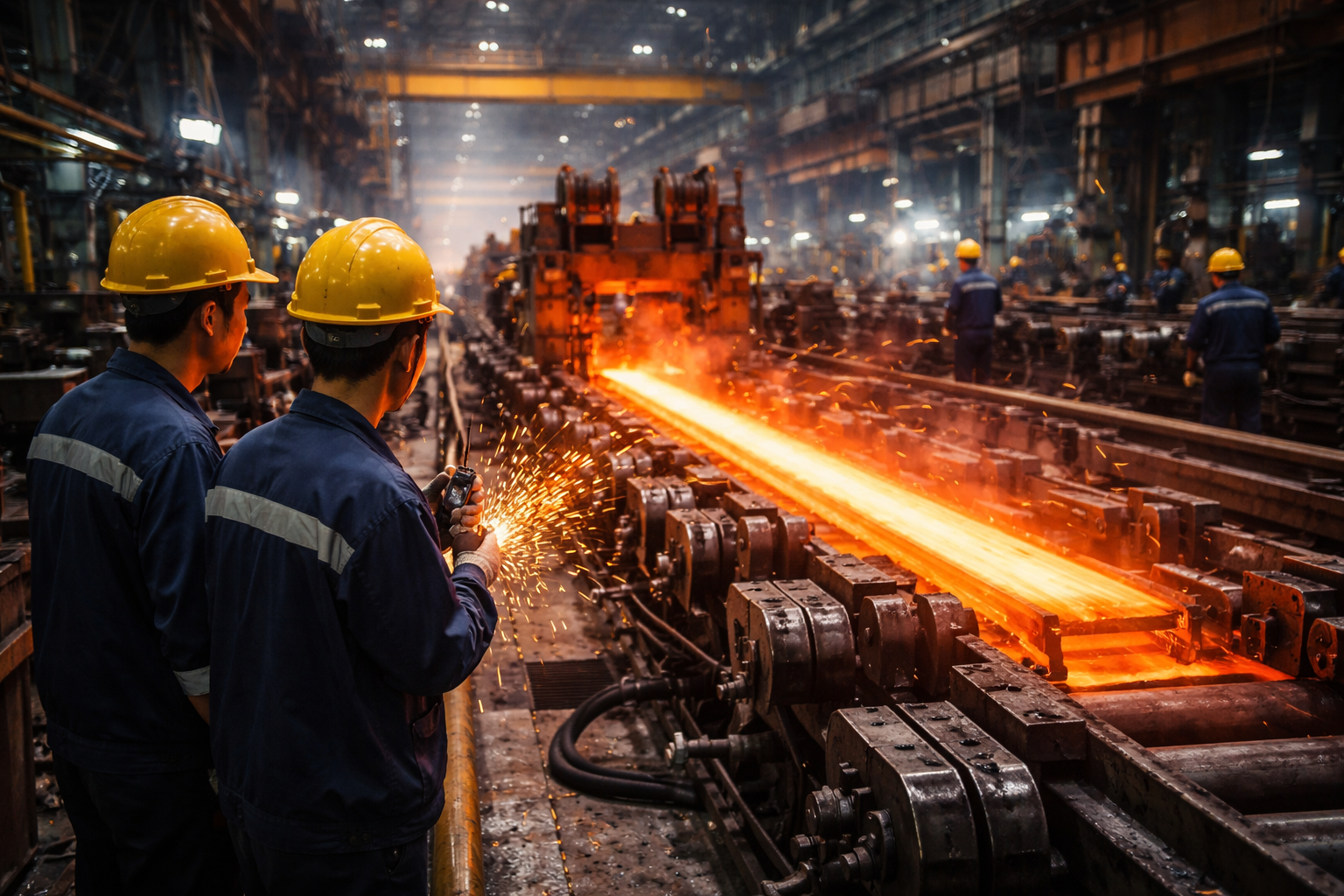
Other indicators told a more mixed story. Industrial output rose 5.7% from a year earlier, beating forecasts and reinforcing the view that manufacturing has remained one of the economy’s more resilient pillars.
Fixed-asset investment rose 1.7%, slightly below the pace many investors would associate with a convincing rebound but still enough to indicate that infrastructure and corporate spending have not stalled altogether.
The weakness came on the consumer side.
Retail sales rose just 1.7%, missing expectations and underlining how fragile household demand remains.
Property investment fell 11.2% from a year earlier, an even steeper decline than before, showing that the real-estate sector is still acting as a drag on confidence, construction and broader domestic demand.
Why the recovery still looks uneven
The contrast between factory output and consumer spending is central to understanding China’s economy right now.
Production has held up reasonably well, but households are still not spending with enough strength to create a broader, more balanced recovery.
That matters because sustainable growth cannot rely indefinitely on industry, public investment and exports while domestic demand remains subdued.
Weak consumption also raises questions about the effectiveness of policy support so far.
Stimulus may be helping stabilise activity at the margin, but it has yet to generate the sort of confidence rebound that would encourage households to spend more freely.
A sluggish property market only adds to that problem, because housing has long been tied to household wealth, local government revenue and investment demand.
The property slump, meanwhile, remains one of the clearest structural headwinds. A double-digit decline in property investment suggests the sector is still far from finding a floor.
That has consequences not just for developers, but also for construction supply chains, local financing and sentiment more broadly.
How policymakers and markets are reading it
For markets, the data offer both reassurance and caution.
The reassurance lies in the stronger-than-expected GDP number and firmer factory output, which suggest the economy is not deteriorating as quickly as some had feared.
The caution comes from the composition of that growth, which still looks unbalanced and vulnerable to renewed shocks.
Officials are also having to weigh the possible impact of higher energy prices and geopolitical uncertainty.
Even so, markets remain sensitive to how any shift in Iran tensions feeds through to oil prices and broader risk appetite.
For China, that matters because a sustained rise in oil and shipping costs could squeeze manufacturers’ margins, reduce the impact of stimulus and complicate the outlook for trade.
Some economists argue China is relatively well insulated from the worst immediate effects of the conflict, partly because of its energy sourcing and storage capacity.
But that does not mean it is immune.
If the conflict pushes up global costs or weakens demand in export markets such as Europe and the US, China’s external sector could come under more pressure later in the year.
Why the outlook is still fragile
The bigger issue is whether first-quarter resilience can be sustained.
Exports have helped offset weak domestic demand for some time, but that support may prove less reliable if global trade softens or shipping costs rise.
The surprise contraction in March exports adds to the sense that this pillar of growth may become less dependable.
That leaves China facing a familiar challenge: how to support growth without reigniting old imbalances.
Policymakers still need stronger consumption, a more stable property market and better private-sector confidence if they want the recovery to broaden meaningfully.
So far, the data suggest they have made some progress on stabilisation, but not yet on repair.
In that sense, the first-quarter figures are best read as encouraging but incomplete.
China has delivered stronger growth than expected, and manufacturing remains a source of support.
But soft spending, falling property investment and rising external risks mean the economy is not yet on a clean or convincing recovery path.
The next few months will depend on whether domestic demand improves and whether global shocks, including oil and trade disruption, remain contained.
The post China GDP beats at 5%, but 11.2% property slump raises alarms appeared first on Invezz